
Water Heater Issues? Here’s When To Replace It & What To Choose Next
Water Heaters September 10, 2025
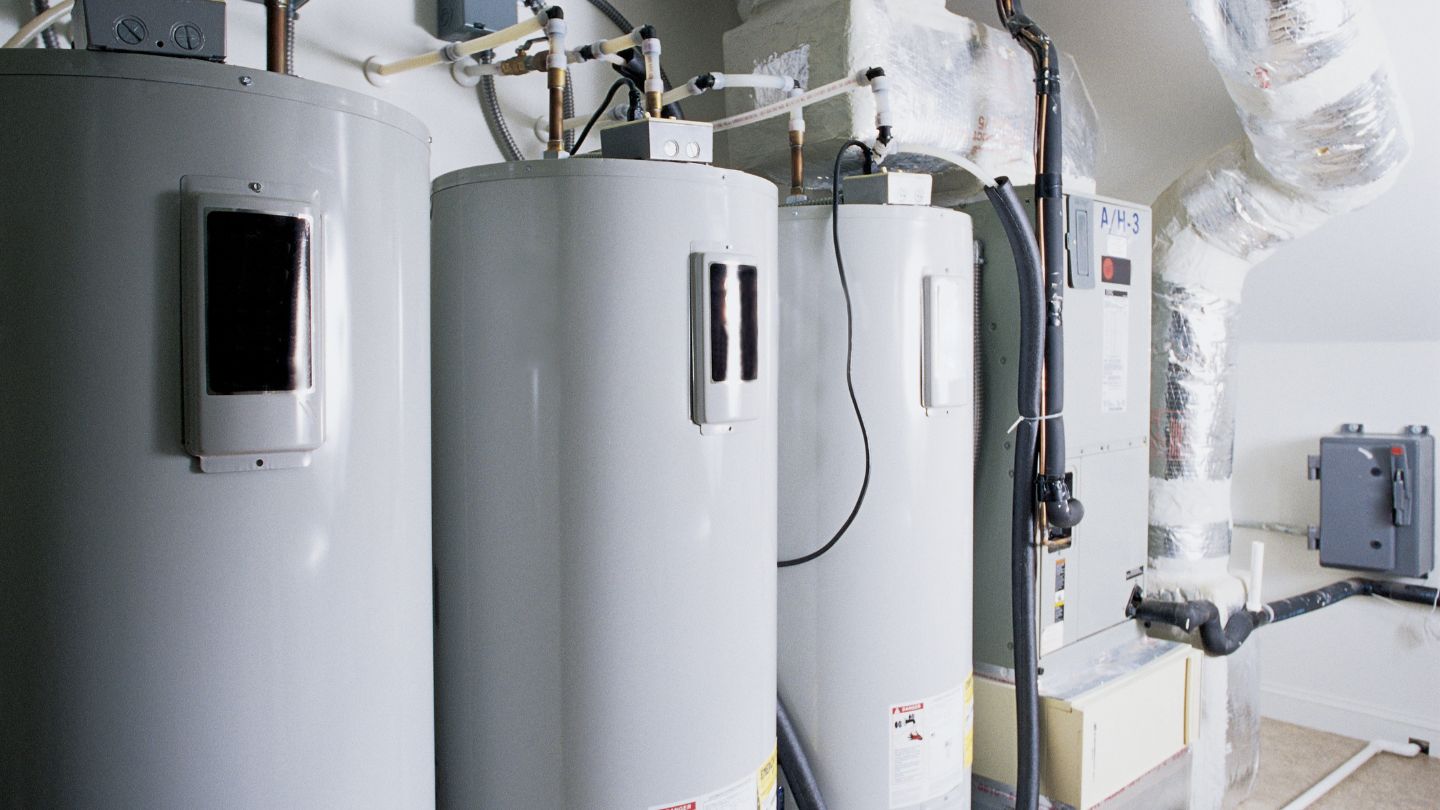
Most of us don’t think twice about our water heater until something goes wrong. Whether it’s a chilly surprise in the shower, strange noises from the utility closet, or an unexplained spike in your energy bills, your water heater may be trying to tell you it’s time for an upgrade.
If you’re a homeowner in Manassas or the surrounding Northern Virginia area, it’s essential to recognize the signs that your system is nearing the end of its life and understand the replacement options available when that time comes.
Let’s be honest, no one likes an unexpected cold shower. And here in Manassas, where we rely on our home systems year-round, a failing water heater can mean more than just discomfort; it could lead to water damage and rising energy bills.
We often get the question: “How do I know when it’s time to replace my water heater?” Here’s a quick and friendly guide to help you decide if it’s time for a replacement or, at the very least, a checkup.
The first thing to consider is the age of your water heater.
Even if things seem to be working fine, older units lose efficiency and are more likely to fail when you least expect them to. If your system is nearing the end of its lifespan, it may be time for a maintenance check or to consider a replacement.
Is your water running lukewarm, or worse, just plain cold? That’s a clear sign that your system isn’t heating properly. It could be a minor fix, or it could be the beginning of the end for your water heater.
Hearing popping, rumbling, or banging sounds from your tank? That’s usually caused by sediment buildup inside. If left unchecked, it can lower your system’s efficiency and even lead to long-term damage.
If your hot water starts looking rusty or brownish, it could be a sign that your tank is corroding from the inside. Not only is that unpleasant, it’s also a clear indicator that a replacement is likely on its way.
If you notice that there are puddles or dripping water around your water heater, that’s never a good sign. Leaks typically indicate cracks or seal failures that can’t be safely repaired. If you’re seeing puddles, it’s time to give us a call—replacing the unit is often the safest bet.
An older or failing water heater works harder to do the same job, which means it’ll start burning through energy (and your money).
This is the classic and most common type. It heats water and stores it in a tank so it’s ready when you need it. These units can run on electricity, natural gas, propane, or even oil.
If you’re looking for a more affordable option that’s easy to install, a storage tank heater is a solid choice.
Just like it sounds—no tank here! A tankless water heater heats water on demand only when needed. It’s a great space-saver and energy-efficient, too. These typically run on electric, propane, or natural gas. If you’re looking to save space and energy (and never run out of hot water again), this could be the one.
Heat pump water heaters use electricity, not to directly heat water, but to move heat from the air or ground into the water. That makes them incredibly efficient and cost-effective to run. If you’re in a warmer climate and want lower energy bills, this is a smart, eco-friendly choice.
Want to go green? Solar water heaters use energy collected from rooftop solar panels to heat your water. Most systems also have a backup—typically electric or gas—for days with cloudy conditions or high usage. They’re perfect if you’re looking for an eco-conscious option and long-term energy savings.
Ideal for homes with high hot water demands, condensing water heaters utilize natural gas and capture additional heat from exhaust gases to heat the water more efficiently. If you’ve got a busy household and want something that can keep up while still being efficient, this one’s worth considering.
Does your water heater need to be replaced or repaired, or do you need advice on which type to install? Don’t hesitate to give the Parrish Services team a call!
©2026 Parrish Services
Privacy Policy
Terms of Use
Your Privacy Choices  Sitemap