
Installing a Standby Generator in Northern VA: A Homeowner’s Guide
Generators March 5, 2026
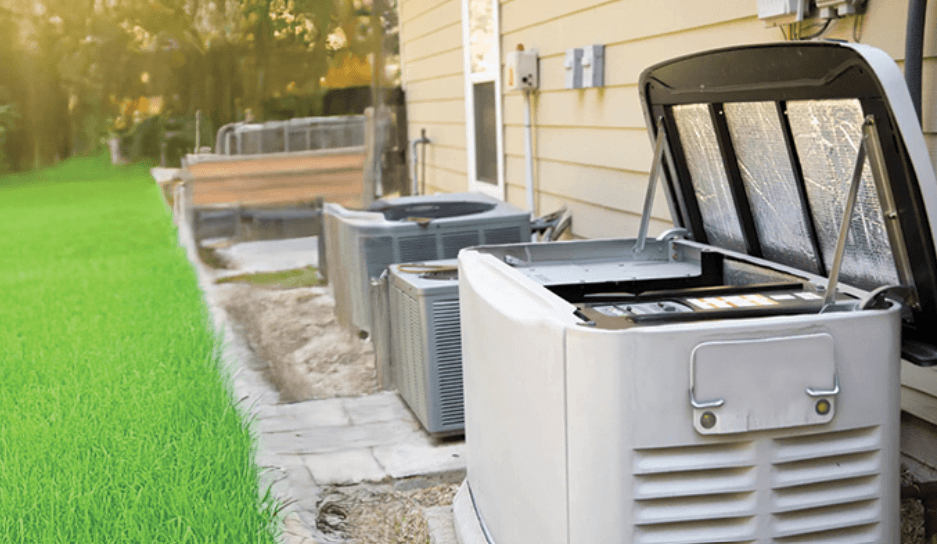
Power outages in Northern Virginia can happen at any time of year. Summer thunderstorms roll through Manassas and Gainesville without warning, and winter ice can weigh down power lines in Prince William or Arlington counties. When the lights go out, daily life is put on hold.
What if you could keep your home running during power disruptions? With a standby generator, you can. Get help making a few important decisions before work begins in this homeowner’s guide to standby generator installations in VA.
The first step is determining how much power you need. The right generator size depends on whether you want to power just the essential circuits or your entire home.
Every electrical appliance in your home should have a label specifying its power usage in watts (W), including the startup power for appliances with motors. Here are some common examples:
Generator size is measured in kilowatts (kW). A 10kW generator can supply about 10,000 watts. Consider these common capacities and what they can power:
Your fuel choice affects installation cost, operating style, and reliability. Most backup generator installations in Northern VA are for systems that run on natural gas or propane.
If your home in Manassas, Fairfax, or Arlington already has reliable utility service, this is the most convenient option. Connecting a generator to an existing natural gas line offers continuous fuel as long as the gas utility remains active.
Homes in rural Northern Virginia neighborhoods may lack gas service, making propane a viable option. This clean-burning fuel is stored in a tank on your property. While you can count on propane even if natural gas service is interrupted, the tradeoff is that you need adequate tank capacity and scheduled delivery or refills.
Generator placement rules are based on manufacturer instructions, building codes, and local zoning regulations. Permit rules also vary by county, so it helps to know what your jurisdiction requires before scheduling work.
All standby generators must satisfy these rules:
Most Northern Virginia counties, including Prince William, Fairfax, and Loudoun, require an electrical permit for standby generator installation. A separate gas permit is also required to connect the unit to natural gas or propane, whether tying into an existing utility line or installing new gas piping to serve the generator.
The process generally includes:
Handling generator permits in Northern Virginia counties can be complex. Fortunately, a licensed contractor can manage this process and coordinate inspections on your behalf.
Installing a standby generator requires knowledge of proper sizing, safe placement, and code compliance. For a job well done, turn to Parrish Services. We serve Manassas and surrounding communities in Northern Virginia as an award-winning company with elite industry designations and an A+ BBB rating. Sit back while our team handles load calculations, fuel coordination, permitting, inspections, and system testing. We take pride in installing generators correctly and safely the first time.
Contact us today to request a quote for backup generator installation in Northern VA.
©2026 Parrish Services
Privacy Policy
Terms of Use
Your Privacy Choices  Sitemap