This year’s winter looks to be an unusual one for Northern Virginia. In its August 13 El Niño Advisory, the NOAA Climate Prediction Center reported greater than 90% odds of a very strong El Niño this fall and winter, including a 69% chance of a historic event for October through December. For Virginia, that could mean a generally milder, wetter season with plenty of precipitation, temperature swings, and the potential for significant snow when cold air and coastal storms line up.
Our team at Parrish Services is here to help ensure your home is ready for an El Niño winter. With so much uncertainty in the forecast, preparing your home now can help prevent an HVAC, plumbing, or electrical emergency later. This guide covers out top preparation tips for your home systems.
Essential Preparation Tasks Ahead of El Niño Winter
A few preventive steps this fall can leave your home better prepared for whatever this El Niño winter brings.
Schedule a Heating Tune-Up
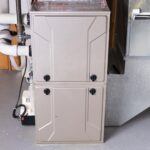
Don’t wait for the first frigid cold night to find out your furnace or heat pump has a problem. Scheduling a heating tune-up in the fall gives our technicians time to identify worn components, airflow problems, electrical issues, and other concerns before your system faces heavier use. Regular HVAC maintenance helps your equipment operate more efficiently throughout the heating season, lowering energy costs. Also, scheduling a furnace tune-up now costs less than having to unexpectedly replace a furnace during a mid-season failure.
Guard Against Frozen & Burst Pipes
Even a relatively mild winter can include periods of freezing weather. Pipes in attics, garages, crawl spaces, and exterior walls are especially vulnerable because they may receive less heat than plumbing inside the heated areas of your home.
Insulate exposed pipes, disconnect outdoor hoses, and seal gaps that allow cold air to reach plumbing. Professional winterization can also help identify vulnerable areas before temperatures plunge. Knowing what to do for frozen pipes is useful, but prevention is much easier than having to make a 2 a.m. call for emergency frozen and burst pipe repair.
Test Your Sump Pump
Above-average rainfall can mean months of wet soil, runoff, and melting snow around your foundation. A working sump pump helps move that water away before it can enter your basement.
Basic sump pump maintenance starts with a simple test. Slowly pour water into the sump pit until the float rises, then confirm that the pump switches on and removes the water. Check that the discharge line is clear as well. If the pump doesn’t activate, makes unusual noises, or struggles to drain the pit, schedule sump pump services now rather than discovering the problem during a heavy storm.
Maintain Your Water Heaters
Winter creates extra work for water heaters. Incoming groundwater is colder, while households may use more hot water for showers, laundry, and other daily needs.
Pay attention to fluctuating water temperatures, unusual noises, rusty or discolored water, leaks around the tank, or hot water that runs out sooner than it used to. These symptoms can point to sediment buildup, worn components, or an aging unit. Routine water heater maintenance and timely water heater service can address problems before they leave your household without hot water on an extra cold day.
Be Ready When the Power Is Not
Frequent storms, heavy precipitation, and major winter weather can all contribute to power outages. A whole-home backup generator can automatically provide electricity when utility power goes down, helping to keep essential equipment such as heating systems, refrigerators, lights, and sump pumps operating. If you already have a standby generator, schedule generator service before winter to verify that it’s ready to go when you need it.
Protect Against Power Surges
Storms don’t have to cause a prolonged outage to damage electrical equipment. Lightning and disruptions to the electrical grid can produce power surges that can damage appliances, HVAC equipment, electronics, and other devices throughout your home.
Plug-in surge strips offer limited protection for individual devices, but whole-house surge protection, installed at the electrical panel, goes a step further. Consider installing a whole-home surge protector to have a broader layer of defense against voltage spikes entering your home’s electrical system.
Ensure Your Home Is Ready With Parrish Services
El Niño may make this winter’s weather difficult to predict, but your home’s essential systems don’t have to be an unknown. Parrish Services provides HVAC, plumbing, and electrical services throughout Manassas and Northern Virginia, giving you one local team for winter preparation and repairs. From heating and water heater maintenance to sump pumps, generators, and electrical protection, our award-winning team provides reliable solutions backed by local knowledge.
Contact Parrish Services today to prepare your Northern Virginia home for the winter ahead.
FAQs
What does El Niño mean for winter?
El Niño changes atmospheric patterns and can influence winter temperatures and precipitation across the U.S. In Northern Virginia, this winter could bring a milder, wetter overall pattern while still leaving the possibility of periods of freezing temperatures and significant winter storms.
How do you maintain a sump pump?
Test the pump periodically by adding water to the pit until the float activates, and make sure the pump removes the water properly. Keep the pit and discharge line clear, and schedule professional service if the pump doesn’t activate or drain correctly.
What temperature do pipes freeze at?
Water freezes at 32 degrees Fahrenheit, but pipes generally become more vulnerable as outdoor temperatures remain below 20°F for extended periods.
What does a furnace tune-up include?
A professional furnace tune-up typically includes inspecting key components, checking system operation and safety controls, and identifying wear or performance problems.